Your First 30 Days in a New Country: A Settling-In Checklist
The first month abroad sets the tone for everything. Use this checklist to land on your feet, fast.
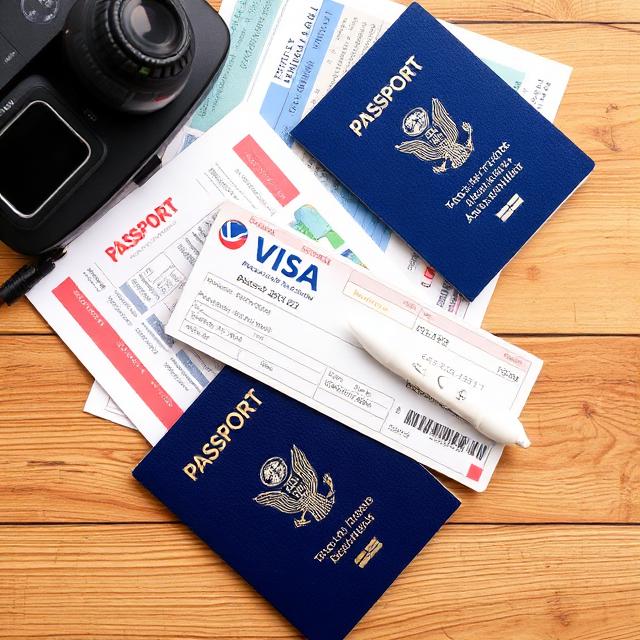
The first month abroad sets the tone for everything that follows. Get the basics right and the next year is mostly upside. Skip them, and you will keep tripping over the same small problems for six months. This is a week-by-week checklist of what to actually do — built for new immigrants, but useful for any expat or international student.
Week 1 — Land, paperwork, survive
The first seven days are pure logistics. Do not try to "settle in" yet — just lock down the items that block everything else.
- Register your address with the local authority if your country requires it (most of Europe, Japan, Korea, and others). Many other steps depend on this single piece of paper.
- Buy a local SIM or activate an eSIM. A local number unlocks deliveries, doctors and most onboarding flows.
- Find your nearest supermarket, pharmacy and ATM. Walk to each at least once.
- Locate your embassy or consulate on a map. You probably will not need it, but you want to know.
- Save key emergency numbers for your country (police, ambulance, non-emergency line).
Week 2 — Money, health, identity
With an address registered, the doors to formal services open.
Banking
- Open a local bank account (a neobank is usually fastest while waiting for a traditional bank).
- Set up your salary deposit and a recurring transfer for rent.
- Order a physical debit card — some places still require chip-and-PIN.
Healthcare
- Register with the local health system or insurer.
- Find a GP and book a "getting to know you" appointment if your system allows it.
- Locate the nearest 24-hour pharmacy and emergency room.
Identity
- Apply for any local ID card or residence permit your status requires.
- Keep a digital copy of your passport, visa and residence documents in two places (a cloud drive and your phone).
Week 3 — Housing, transport, work
By now you can start optimising daily life instead of firefighting.
Housing
- If you arrived into a short-term rental, start searching for a long-term place — most markets need three to six weeks of searching.
- Set up renter's insurance — it is cheap and often required by landlords.
- Sort utilities and internet in your name (or confirm what is included).
Transport
- Get a public transport card or pass.
- If you will drive, check whether your home-country licence is valid, exchangeable, or whether you need to retake the test.
Work
- Onboard properly with HR: tax forms, social security number, pension setup.
- Confirm whether you can work remotely some days — useful while still managing appointments.
- Update your address on every work account.
Week 4 — Community, routines, mental health
The logistical sprint slows, and the real work of feeling at home begins.
Community
- Join two community groups in your city — one tied to your home country, one tied to a hobby. AbroadHub's groups make this a five-minute job.
- Attend at least one in-person event this week, even if you do not feel like it.
- Commit to one recurring weekly activity (gym, class, club) — the single best long-term investment in your social life.
Routines
- Pick a "home" cafe, gym, park, and grocery store. Familiarity buys calm.
- Set a weekly admin slot — 45 minutes for paperwork, payments, and appointments.
Mental health
- Schedule a weekly call with someone from home. Do not skip it.
- Limit comparisons to "how my friends back home are doing". Your timeline is different right now, and that is fine.
The 30-day "done" checklist
At the end of month one, you should have:
- A registered address and any required local ID.
- A working local phone number.
- A bank account receiving income and paying rent.
- Healthcare registration and a known GP and pharmacy.
- A long-term housing plan (signed or actively searched).
- Transport sorted — pass, app, or vehicle.
- At least two community groups joined and one weekly activity booked.
- Digital backups of every important document.
Where to go deeper on the individual items
Every one of the 30-day boxes above has a longer guide behind it:
- Finding housing overseas — the expat guide for the Week 3 housing sprint.
- Buying or leasing a car with no credit history when transport is more than a metro pass.
- Visitor insurance for parents visiting you abroad for the first family visit that lands in month two or three.
- Finding a CPA who understands immigrant taxes before your first filing season sneaks up.
- Choosing a school or daycare abroad if you moved with kids.
How AbroadHub helps in your first 30 days
The slowest part of a first month abroad is not any single task — it's the switching cost between five apps, three group chats and a directory site that hasn't been updated in two years. AbroadHub bundles the slowest parts of this checklist into one place: Nearby for housing, banks, GPs, groceries and pharmacies reviewed by other immigrants; Community for groups and events from your home country; Jobs for sponsor-verified roles; and verified profiles so the people you meet are real. Install it on iOS or Android on day one, and tick this checklist off faster than you would on your own.
Keep exploring
Jump straight to the sections of AbroadHub most relevant to this article.
Frequently asked questions
What should I do in my first week after moving abroad?
Register your address if required, get a local SIM, open a basic bank account, register with the health system, and locate your nearest supermarket, pharmacy and embassy or consulate.
How long does it take to feel settled in a new country?
Most newcomers feel functional within 30 days, comfortable within three months, and genuinely settled around six months — provided they have housing, banking, healthcare and a small social circle in place.
What documents should I carry every day as a new immigrant?
Your passport (or a clear colour copy), your residence permit or visa, proof of address, and your local health card or insurance details. Keep digital copies in two places.
Settle into your new country faster.
Download AbroadHub on iOS and Android — community, visa-sponsorship jobs, housing and trusted local services in one app.